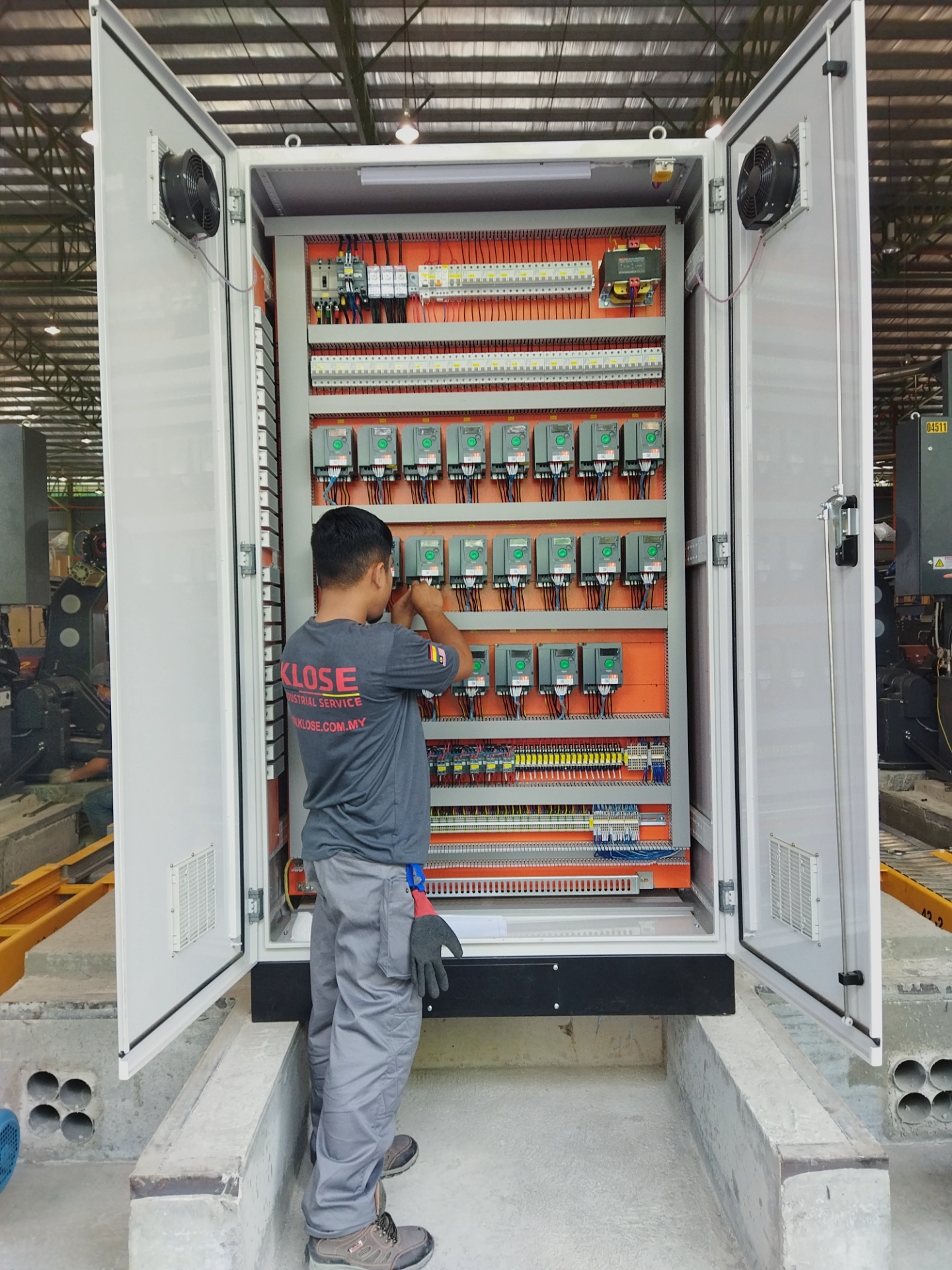
Every machine is maintained one of two ways: on a schedule you choose, or on a schedule the machine chooses by breaking down. The second is always more expensive, because it arrives without warning, usually at the worst moment, and often takes neighbouring production down with it. A preventive maintenance programme is simply the decision to control that timing.
Begin with criticality. Not every asset deserves the same attention. Rank equipment by what its failure actually costs — lost production, safety risk, knock-on effects on the line, lead time for spares. The machines whose failure stops the plant earn intensive, scheduled care; genuinely non-critical assets can run closer to failure on purpose. Spreading effort evenly across everything wastes it.
Build the schedule around the right intervals. Manufacturer recommendations are the starting point, but real intervals come from how hard the machine is actually run, its environment, and its failure history. Time-based tasks (inspections, lubrication, replacements) and condition-based monitoring (vibration, temperature, wear measurement) work together: the first catches the predictable, the second catches the developing fault before it becomes a failure.
Make the work specific and repeatable. Each task needs a defined procedure, the parts and tools required, the time it takes, and the acceptance check that proves it was done properly. A vague "service the pump" instruction produces vague results; a documented procedure produces consistent ones, regardless of who carries it out.
Manage spares deliberately. The fastest preventive maintenance in the world stalls if the critical part is on a six-week lead time. Identify the spares whose absence would extend a stoppage and hold them — or have a partner who does — so a planned intervention never becomes an unplanned shutdown.
Finally, measure and adjust. Track breakdowns, downtime and the cost of maintenance against the schedule, and feed that history back into the intervals. A good programme is not static; it tightens where failures still slip through and relaxes where intervention proves unnecessary. Visibility over the whole picture — what was done, what failed, what is due — is what turns maintenance from a cost into reliability you can rely on.