A domestic relocation is a logistics problem. An international one is several logistics problems stacked on top of each other, in different languages, under different rules, with customs and permits sitting on the critical path. The projects that go wrong are almost always the ones where nobody owned the whole chain.
Customs and documentation come first because they can stop everything. Harmonised tariff codes, accurate values, country-of-origin paperwork and any temporary-import arrangements have to be right before the equipment reaches a border, not negotiated at it. And don't just think about the import side, but also consider export restrictions, dual-use verifications and permitting. A machine held in customs is downtime you are paying for at both ends.
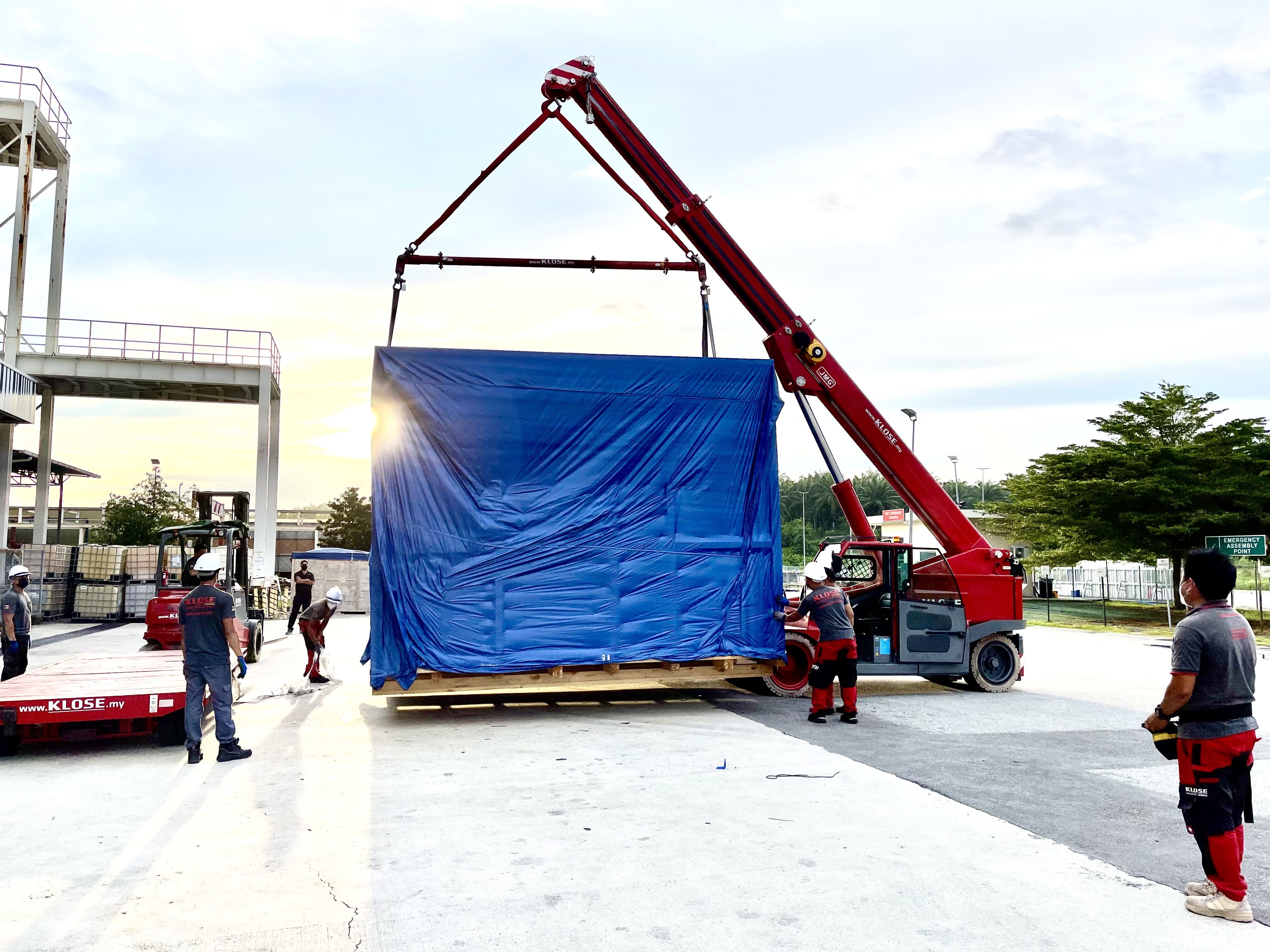
Out-of-gauge and heavy transport needs planning weeks ahead. Abnormal loads require route surveys, permits, sometimes police escorts, and occasionally physical modifications to the route. Sea freight adds sailing schedules, port handling and lashing standards. Each mode has its own lead time, and the longest one sets your timeline.
Local presence at both ends is what holds it together. Site rules, safety regimes, labour practices and permitting differ at every location, and a crew that does not know the destination loses time learning it. The difference between a controlled project and a scramble is whether the people at the destination are part of the same organisation as the people at the origin — or a subcontractor meeting them for the first time.
Insurance and liability deserve closer reading on international moves. Confirm all-risk transit cover that follows the goods across every mode and border, valued at full replacement cost. Understand where liability sits during port handling and customs holds, where the gaps between carriers' policies are, and who carries the risk in each.
The simplest way to control all of this is to reduce the number of hands the project passes through. One accountable partner with international subsidiaries and local presence at both ends means one plan, one chain of command, and no seams for the project to fall through — instead of a series of agents who have never worked together and each own only their leg.